Medically Reviewed by Dr. Sumit Agrawal | Published on Jun, 30 2026
Is a Hair Transplant Permanent? The Complete Truth About Longevity
For most people considering a hair transplant, the biggest concern isn't the procedure itself, it's what happens years later.
Will the transplanted hair continue to grow? Will the results look natural after 10 or 15 years? Could the hair fall out again? And perhaps the most common question of all: Is hair transplant permanent?
The truth is that a hair transplant is not just about restoring lost hair; it's about making a long-term investment in your appearance and confidence. Naturally, patients want reassurance that the time, effort, and money they invest today will continue to deliver results well into the future.
At Harleys Hair Transplant Clinic, one of the questions frequently asked during consultations with Dr. Sumit Agrawal, the best hair transplant surgeon in Mumbai, is whether hair transplant results are truly permanent. Having helped thousands of patients address hair loss concerns, Dr. Agrawal believes that understanding the science, limitations, and long-term expectations of hair transplantation is just as important as the procedure itself.
The good news is that modern hair transplant techniques have made it possible to achieve natural-looking, long-lasting results. However, the complete answer is more nuanced than a simple yes or no. While transplanted hair follicles are designed to last, factors such as genetics, age, ongoing hair loss, and overall scalp health can influence the long term results of hair transplant procedures.
In this blog, we'll separate facts from myths and explain exactly what you can expect from a hair transplant, not just in the first year, but for decades to come.
Understanding the Science Behind Hair Transplant
To understand whether a hair transplant is permanent, it's important to understand how the procedure works.
Hair transplants involve moving healthy hair follicles from a donor area, typically the back and sides of the scalp , to areas experiencing thinning or baldness. These donor hairs are genetically resistant to the hormone DHT (Dihydrotestosterone), which is primarily responsible for male and female pattern hair loss.
This concept is known as donor dominance.
Even after being transplanted, these follicles retain their genetic characteristics. In simple terms, they continue behaving like they did in the donor area, making them significantly less likely to fall out.
This scientific principle is what makes modern hair transplantation one of the most effective long-term solutions for hair loss.
Hair Transplant is Permanent – Myth or Truth?
The answer is both simple and complex.
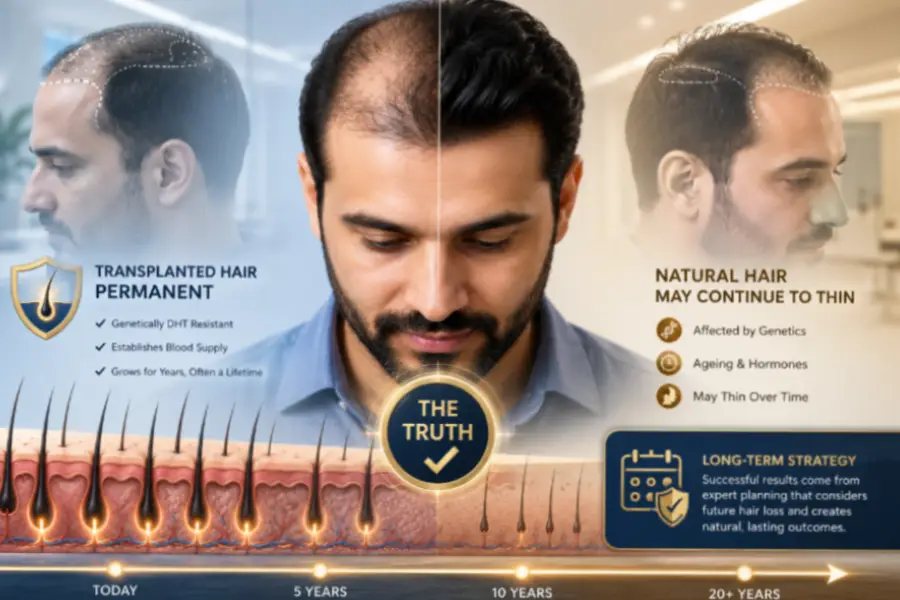
Yes, transplanted hair is generally permanent.
Once the transplanted follicles establish blood supply and begin growing, they can continue producing hair for many years, often for a lifetime.
However, many people misunderstand what "permanent" actually means.
A hair transplant does not stop the natural ageing process. It also does not prevent non-transplanted hair from thinning in the future. This means your transplanted hair may remain intact, but the surrounding native hair could continue to experience hair loss if the underlying condition progresses.
This is why experienced hair restoration surgeons focus not only on immediate cosmetic improvement but also on creating a long-term hair restoration strategy.
At Harleys Hair Transplant Clinic, treatment planning often takes future hair loss patterns into consideration to ensure natural-looking outcomes for years to come.
Types of Hair Transplant and What You Can Expect from Them
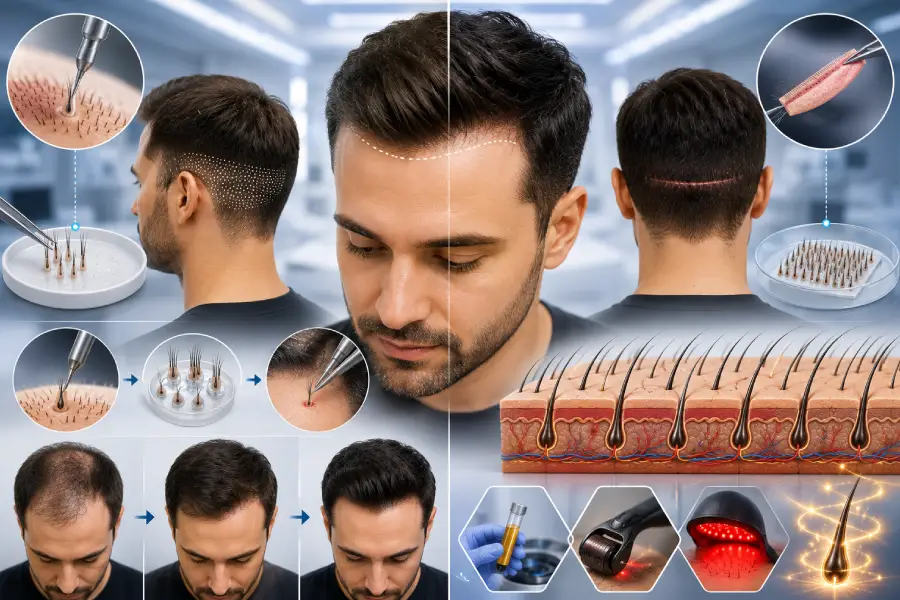
Advance hair transplantation techniques have evolved significantly over the years.
FUE (Follicular Unit Extraction)
FUE involves extracting individual hair follicles and implanting them into the recipient area.
Benefits include:
- Minimal scarring
- Faster recovery
- Natural-looking results
- Suitable for most patients
FUT (Follicular Unit Transplantation)
FUT involves removing a strip of scalp from the donor area and dissecting it into grafts.
Benefits include:
- Higher graft yield in some cases
- Useful for extensive hair loss
- Efficient use of donor hair
Advanced Hair Restoration Approaches
Many clinics now combine surgical expertise with supportive treatments designed to improve graft survival and overall scalp health.
The right technique depends on your degree of hair loss, donor area quality, future hair loss risk, and personal goals.
A detailed consultation with an experienced surgeon is essential before choosing a treatment approach.
Longevity of Hair Transplant: What You Need to Know
One of the most encouraging facts about hair restoration is that successful transplants can continue producing hair for decades.
Most patients experience the following timeline:
First Few Months
- Temporary shedding of transplanted hair
- Follicles enter a resting phase
- New growth begins gradually
3–9 Months
- Visible improvement starts becoming noticeable
- Hair density increases
- Hair texture improves
9–18 Months
- Final hair transplant results become apparent
- Hair appears more natural and mature
Long-Term
- Transplanted follicles continue growing naturally
- Hair can be cut, styled, washed, and coloured normally
When performed correctly, the long term results of hair transplant procedures can remain stable for many years.
What Factors Affect the Long-Term Hair Transplant Results?
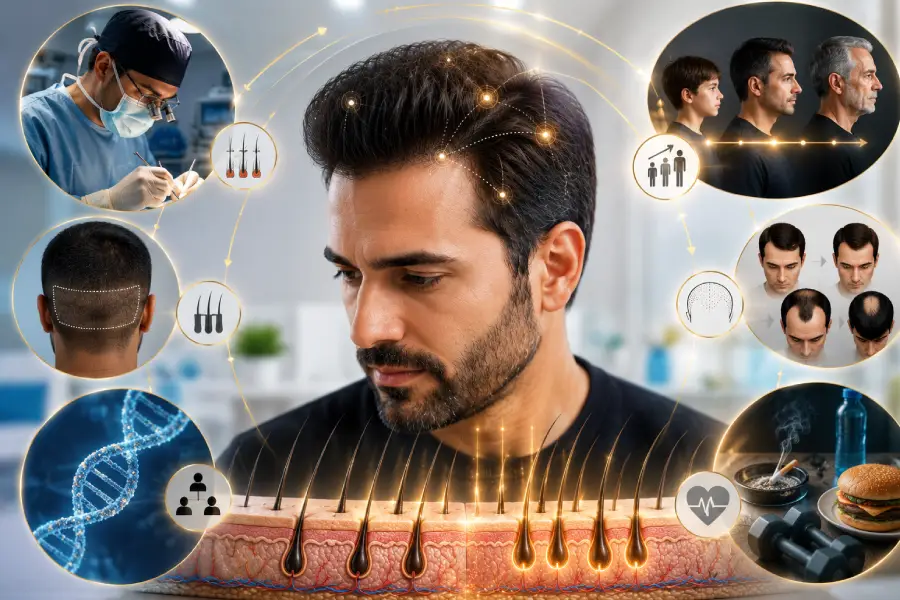
Not all hair transplants age the same way. Several factors influence how well your results hold up over time.
Surgeon Expertise
The placement angle, graft handling, density planning, and hairline design all impact the final outcome.
An experienced surgeon understands how to create results that look natural not just today, but 10 to 20 years later.
This is one reason why patients often seek consultation with specialists such as Dr. Sumit Agrawal, who focuses on designing hair restoration plans tailored to long-term facial harmony and future hair loss progression.
Quality of Donor Hair
A strong donor area increases the likelihood of achieving durable results.
Age at the Time of Surgery
Younger patients may continue experiencing progressive hair loss, requiring future management.
Genetics
Every patient's hair loss pattern is unique.
Lifestyle Factors
Smoking, poor nutrition, unmanaged medical conditions, and chronic stress can affect overall hair health.
Is It Possible That You Could Need Another Hair Transplant?
Yes, in some situations. This does not necessarily mean the first procedure failed.
The most common reason people undergo a second transplant is ongoing hair loss in untreated areas.
For example, if a patient receives a hair transplant at age 30 and continues losing native hair over the next decade, additional thinning may develop around the transplanted area.
A second procedure may be recommended to:
- Improve density
- Address newly developed bald areas
- Refine previous results
- Enhance overall hairline aesthetics
This is why long-term planning is critical. The goal is not simply restoring hair today but ensuring your appearance remains balanced in the future.
What to Expect in the Long Run?
A successful hair transplant should blend seamlessly with your natural hair.
Years after the procedure, most patients can expect:
- Continued growth of transplanted follicles
- Natural appearance
- Normal styling freedom
- Stable coverage in transplanted areas
Many patients eventually forget which hairs were transplanted and which were original because the hair behaves naturally.
However, maintaining realistic expectations remains important. Hair density may not be identical to your teenage years, but significant cosmetic improvement is often achievable.
Is Hair Transplant Permanent Without Maintenance?
This is where many patients get confused. While transplanted follicles are generally permanent, maintaining overall hair health still matters.
Depending on your hair loss pattern, your surgeon may recommend:
- Medical therapy
- Scalp care treatments
- Nutritional support
- Periodic evaluations
These measures help protect existing native hair and preserve overall density.
Think of a hair transplant as building a strong foundation. Maintenance helps protect everything around it.
When Should You Speak to a Hair Transplant Surgeon?
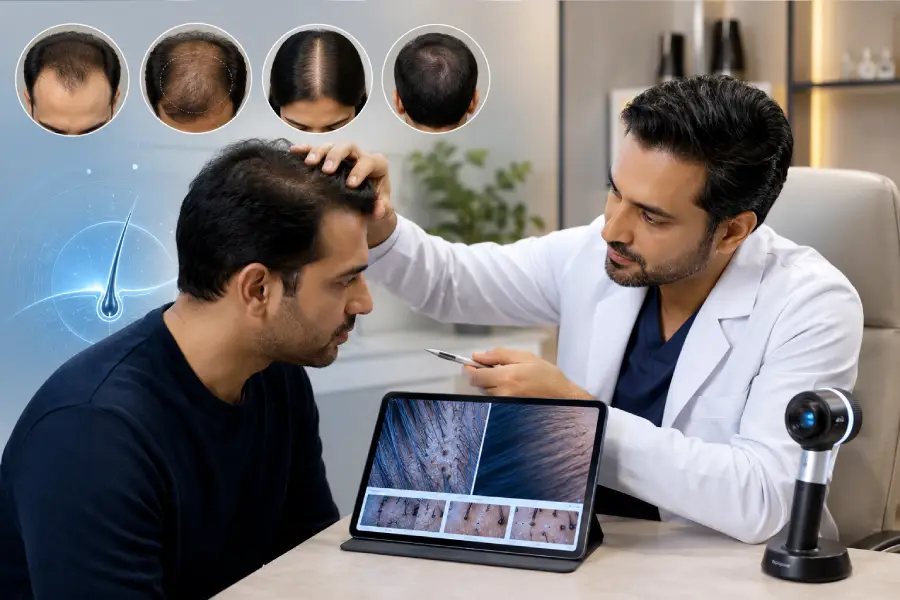
If you're noticing:
- Receding hairline
- Thinning crown
- Widening part line
- Progressive hair loss despite treatments,
it may be time to consult a qualified hair restoration specialist.
A comprehensive assessment can determine whether you're a suitable candidate, estimate graft requirements, and help you understand realistic outcomes.
At Harleys Hair Transplant Clinic, consultations are designed to evaluate not just current hair loss but also future progression. Under the guidance of Dr. Sumit Agrawal, patients receive personalized treatment plans based on scalp analysis, donor availability, age, and long-term goals.
Consult For The Best Hair Transplantation
So, is hair transplant permanent?
However, permanence does not mean immunity from ageing or future hair loss in untreated areas. The best hair transplant results come from a combination of surgical expertise, proper planning, realistic expectations, and ongoing hair care.
When performed by an experienced surgeon and supported by a long-term strategy, a hair transplant can provide natural-looking, confidence-boosting results that stand the test of time. If you're considering hair restoration and want to understand your options, you can easily book a consultation with Dr. Sumit Agrawal, who is widely considered to be the best hair transplant surgeon in Mumbai.
FAQs
What happens 20 years after a hair transplant?
In most cases, transplanted hair continues to grow even 20 years after the procedure because the follicles are typically taken from areas resistant to hair loss. However, your natural, non-transplanted hair may continue to thin over time, which can affect overall hair density.
How long do hair transplants last?
A successful hair transplant is generally considered a long-term or permanent solution, as the transplanted follicles retain their resistance to hair loss. With proper planning and care, many patients enjoy natural-looking results for decades.
What is the 'shock loss' phase in hair transplantation?
Shock loss is a temporary shedding phase that can occur a few weeks after a hair transplant, causing the transplanted hairs to fall out. While it may seem alarming, it is a normal part of the healing process, and new hair growth typically begins within a few months.
Who is the best hair transplant surgeon in Mumbai?
The best hair transplant surgeon is one who combines surgical expertise, natural aesthetic planning, and a strong track record of consistent results. Dr. Sumit Agrawal of Harleys Hair Transplant Clinic is widely regarded as one of Mumbai's experienced hair restoration surgeons, known for his personalized approach and natural-looking outcomes.
Does regular shampoo affect the longevity of a hair transplant?
No, using a regular shampoo after the scalp has fully healed does not affect the longevity of transplanted hair follicles. However, choosing a gentle, scalp-friendly shampoo can help maintain overall scalp health and support the appearance of your hair over the long term.
 +91 9967333879