Medically Reviewed by Dr. Sumit Agrawal | Published on Jul, 15 2026
Is Hair Transplant Safe for Diabetic Patients?
Hair loss is a common condition that can affect anyone, irrespective of age. Patients with thyroid or diabetes can notice chronic hair loss, and may not be able to figure out whether they should go for any hair surgery treatment or not.
One of the common questions that Dr Sumit Agrawal gets to listen to from his patients in his consultations is: Doctor, I am diabetic, can I have a hair transplant?. Dr Sumit Agrawal approaches hair transplant surgery only after diagnosis, assessment of the patient’s medical history, scalp analysis, and existing health conditions.
This blog discusses risks, better options, and key considerations in hair transplant surgery for diabetic patients.
How Does Diabetes Cause Hair Loss?
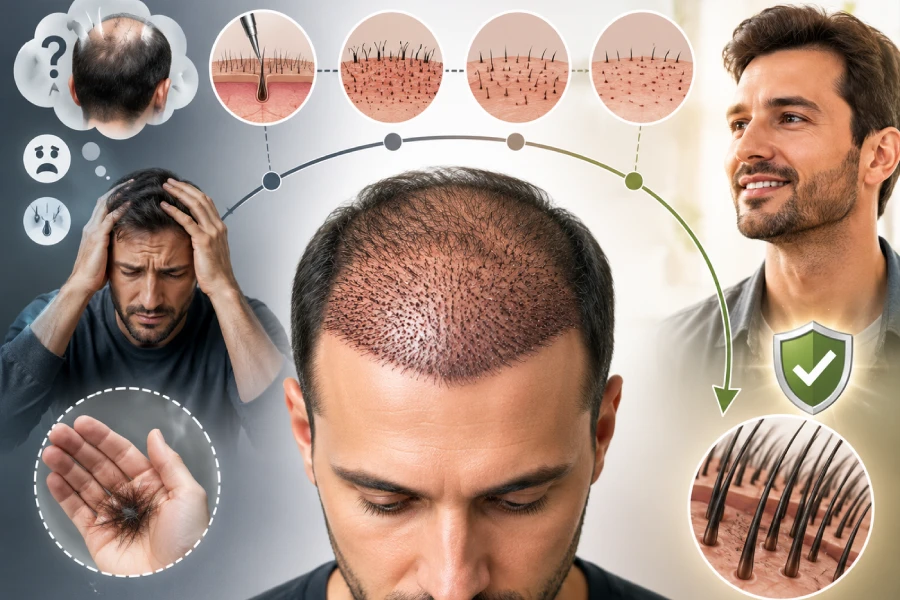
Hair thinning is a common condition that affects patients with diabetes and thyroid. Now, how does it happen? Diabetes disrupts blood circulation and nutrient delivery to hair follicles. When blood sugar remains high for long periods, it damages small blood vessels — including those that feed your scalp. This leads to what doctors call "telogen effluvium" — a condition where hair follicles prematurely enter the resting phase and eventually fall out.
For all those thinking, can diabetic patients go for a hair procedure? Know here.
Can A Diabetic Patient Go For Hair Transplant Surgery?
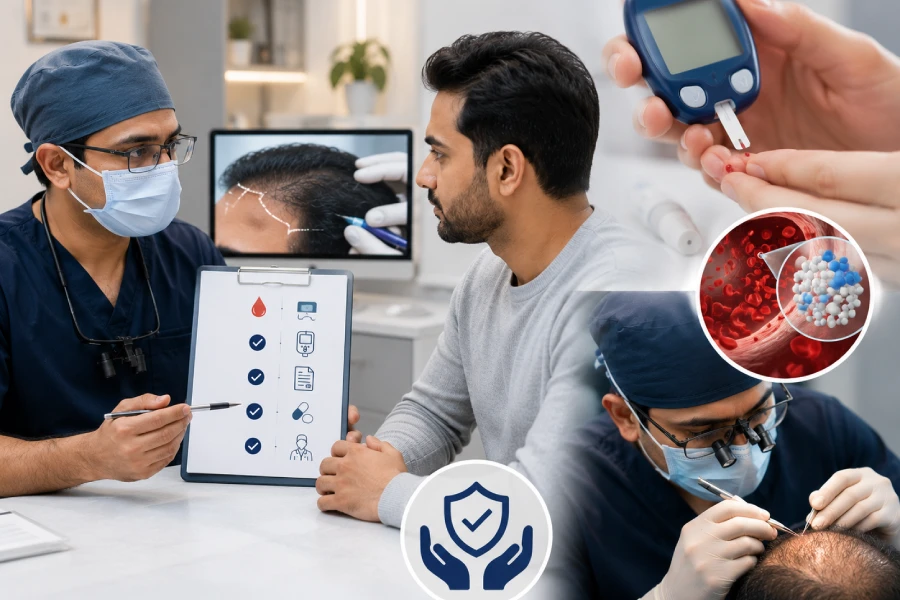
It’s safe for diabetic patients to go for hair transplant surgery. However, the doctor prioritises monitoring of blood sugar levels. If the patient has high blood sugar levels, the treatment may either not be advised or postponed until the condition improves.
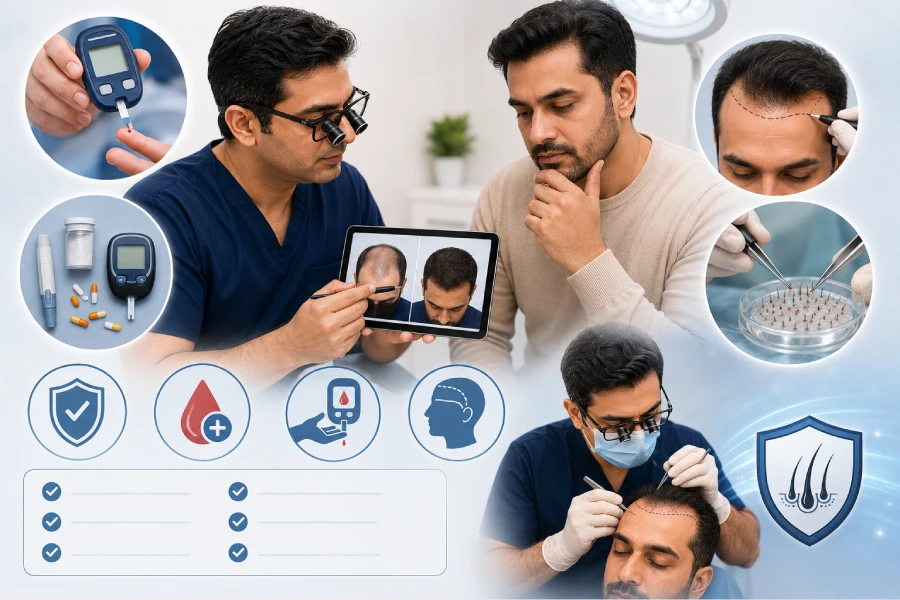
A responsible hair transplant surgeon usually asks for:
- Blood sugar reports
- HbA1c levels
- Medical history
- Current medications
- Physician clearance if needed
The goal is to reduce surgical risks and ensure healthy healing after the procedure.
Diagnostic Tests That A Doctor Asks Diabetic Patients
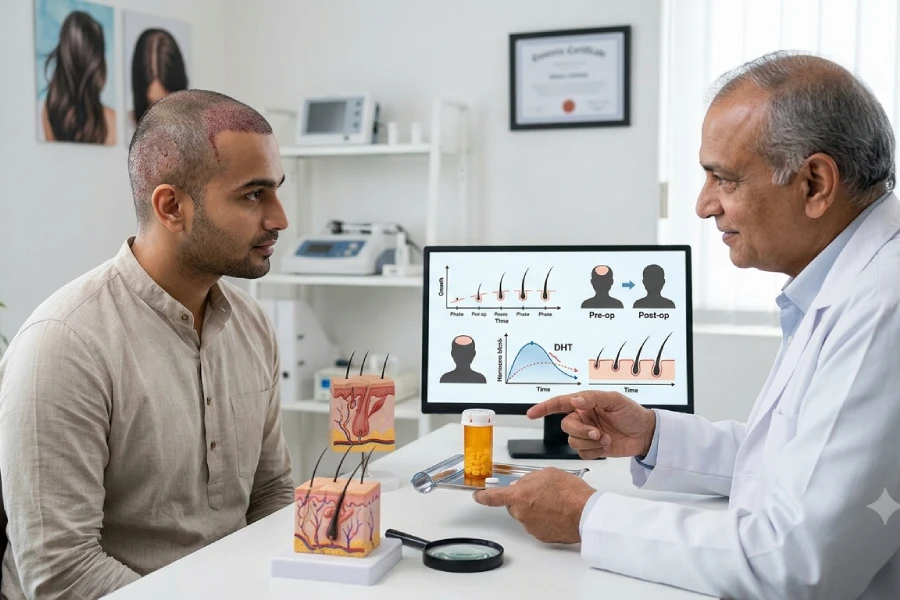
Treatments are not prescribed blindly by the doctors. The doctor may discuss the condition of the patient jointly with a physician or endocrinologist.
- HbA1c test within the last 6 weeks — must be below 7.5%
- Urine test
- Fasting and post-meal blood glucose within normal range for at least 3 months
- KFT (Kidney function), LFT (liver function test)
- Blood pressure stable and within acceptable range
- Diabetic medications reviewed and adjusted if needed on surgery day
Important Pre-Surgery Precautions for Diabetic Patients
Hair transplant surgery in diabetic patients requires careful planning.
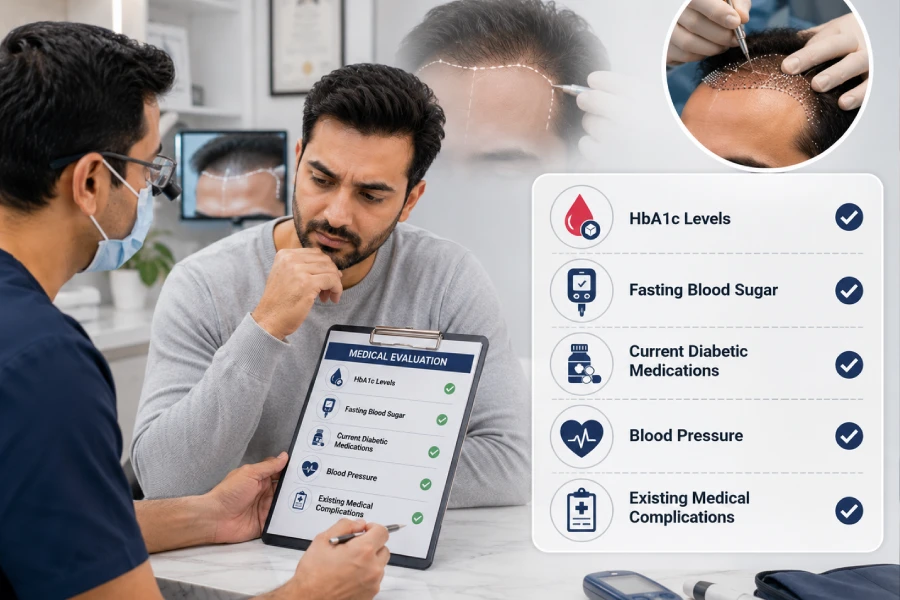
Medical Evaluation
The surgeon may review:
- HbA1c levels
- Fasting blood sugar
- Current diabetic medications
- Blood pressure
- Existing medical complications
Recovery After Hair Transplant in Diabetic Patients
Recovery can still be smooth for diabetic patients if post-operative instructions are followed carefully.
Recovery Tips Include:
- Taking prescribed medicines regularly
- Monitoring blood sugar consistently
- Avoiding scratching or touching grafts
- Following scalp cleaning instructions
- Eating balanced meals
- Attending follow-up visits
Healing may sometimes take slightly longer compared to non-diabetic patients, but good diabetic control greatly improves outcomes.
Possible Risks in Diabetic Patients
Although hair transplant can be safe, some risks may slightly increase if diabetes is poorly controlled.
Possible concerns include:
- Delayed wound healing
- Infection risk
- Swelling
- Poor graft survival
- Excessive inflammation
This is why choosing an experienced hair transplant surgeon is extremely important for diabetic patients.
How Do Doctors Check If Diabetic Patients Are Fit for Hair Transplant?
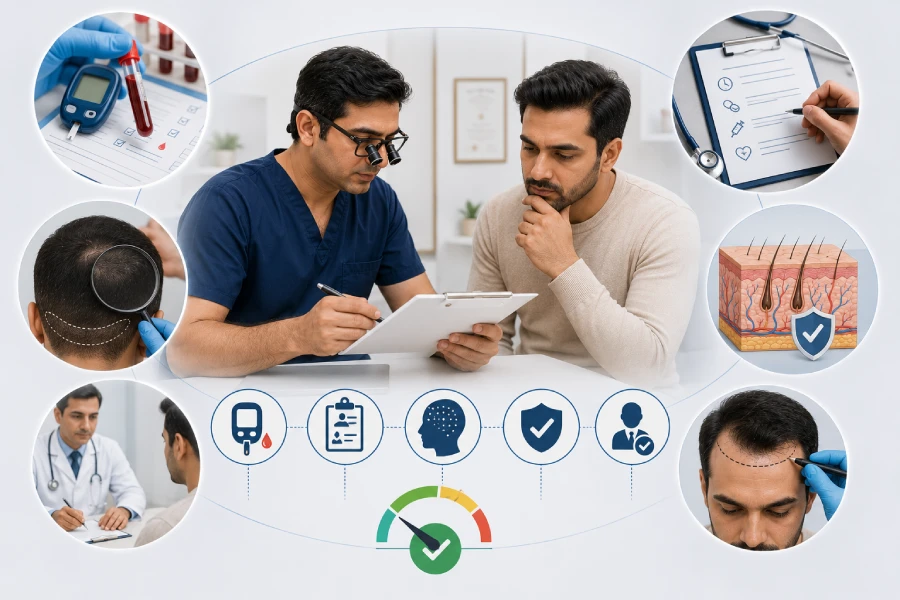
At Harleys Hair Transplant Clinic in Mumbai, before planning a hair transplant, Dr. Sumit Agrawal carefully evaluates the patient’s overall diabetic condition, healing ability, and scalp health to ensure the procedure can be performed safely.
Blood Sugar Assessment
The doctor usually checks:
- Fasting blood sugar levels
- Post-meal sugar levels
- HbA1c levels (long-term sugar control marker)
Stable and controlled sugar levels are important for safe healing.
Medical History Review
The surgeon asks about:
- Duration of diabetes
- Current medications
- Insulin usage
- Previous surgeries or healing issues
- Other health conditions, like blood pressure or heart disease
Scalp & Donor Hair Examination
The doctor examines:
- Extent of hair loss
- Donor area density
- Scalp condition
- Hair quality and thickness
This helps determine whether sufficient healthy grafts are available.
Healing & Infection Risk Evaluation
Since diabetes can affect recovery, the doctor evaluates:
- Wound healing capacity
- Skin condition
- Infection risk
- Blood circulation
Physician Clearance (If Needed)
For some patients, especially those with long-term diabetes or additional medical issues, the surgeon may recommend medical clearance from the patient’s physician or diabetologist.
Overall Fitness for Surgery
The final decision depends on:
- Controlled diabetes
- Stable health condition
- Scalp assessment
- Safe healing potential
- Realistic patient expectations
When Should Diabetic Patients See A Hair Transplant Surgeon?
- When hair loss becomes noticeable or progressively increases
- If diabetes is well-controlled and stable
- When medications or treatments are not improving hair thinning
- Before baldness reduces donor hair
- When you notice a receding hairline, crown thinning, or patchy baldness
Wrapping Up
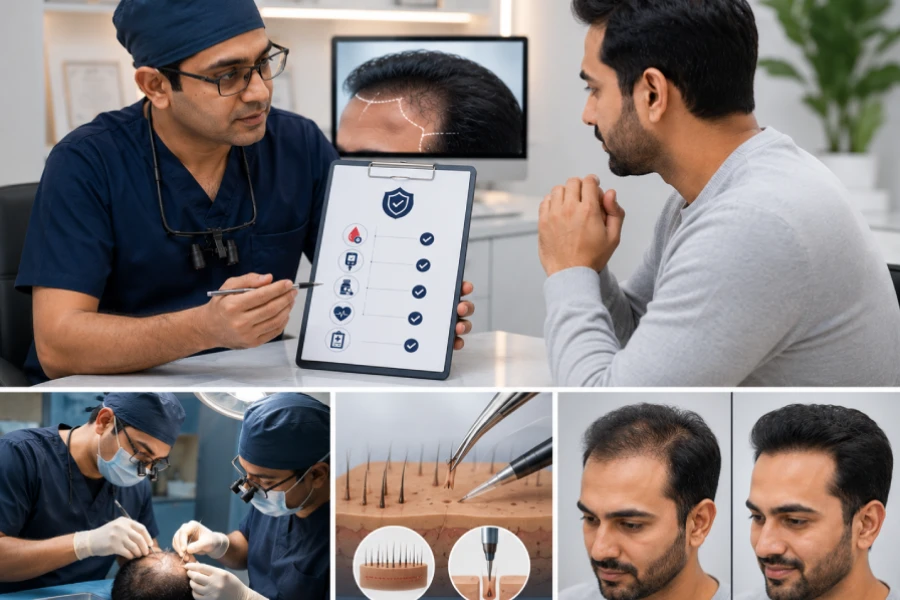
Hair transplant surgery is not automatically ruled out for diabetic patients, nor is it’s recommended to every patient. At Harleys Hair Transplant Clinic, no two patients receive the same prescription or medications.
A proper medical examination test is evaluated by a doctor before coming to any conclusion or suggesting treatments to diabetic patients. However, both FUE and FUT methods are safe for patients with diabetes. The important prerequisite in diabetic patients is that blood sugar levels must be controlled.
With the right planning and precautions, many individuals with diabetes achieve healthy healing and natural-looking hair restoration results successfully.
Book your consultation with Dr Sumit Agrawal, MS, MCh, MRCS,best plastic surgeon in Mumbai, and restore your hair health with proven medical treatment plans.
FAQs
Can I do a hair transplant if I have diabetes?
Yes, if your blood sugar levels are controlled with medicines, hair transplant surgery is safe, especially when performed by an experienced hair transplant surgeon.
How to grow hair with diabetes
Diabetes patients may have lower-than-normal biotin levels. So, they should include foods rich in biotin, like peanuts, almonds, sweet potatoes, eggs, onions, and oats.
Does diabetes affect hair transplant results?
Poorly controlled diabetes may slow healing and increase infection risk, which can affect graft survival and recovery.
Which hair transplant technique is better for diabetic patients?
FUE is often preferred because it is minimally invasive and usually offers faster healing, though suitability depends on the patient’s condition.
How long does recovery take for diabetic patients after a hair transplant?
Recovery timelines are generally similar, but diabetic patients may require slightly more careful monitoring and healing support after surgery.
 +91 9967333879